How to Apply Japanese French Tips Yourself
- Gel nails last 3-4 weeks, significantly longer than traditional polish which lasts 3-7 days (translated from Japanese) (https://cin-cia.com/jelnail-yarikata/, https://watts-online.jp/blogs/column/gel-nails-turorial?srsltid=AfmBOoq5OKZtT2QK5haDbRaJQbaJMJkJoY7PykNxOG1Ylh1Z4u9tk).
Last updated: April 2026
Affiliate Disclosure: We may earn a commission when you purchase through our links. This does not affect our editorial independence.
Quick Answer
- Gel nails last 3-4 weeks, significantly longer than traditional polish which lasts 3-7 days (translated from Japanese) (https://cin-cia.com/jelnail-yarikata/, https://watts-online.jp/blogs/column/gel-nails-turorial?srsltid=AfmBOoq5OKZtT2QK5haDbRaJQbaJMJkJoY7PykNxOG1Ylh1Z4u9tk).
- Preparation and nail care takes about 30 minutes, while applying gel takes 60-90 minutes (translated from Japanese) (https://cin-cia.com/jelnail-yarikata/).
- Self-gel nail kits can save over ¥100,000 annually compared to salon visits (translated from Japanese) (https://watts-online.jp/blogs/column/gel-nails-turorial?srsltid=AfmBOoq5OKZtT2QK5haDbRaJQbaJMJkJoY7PykNxOG1Ylh1Z4u9tk).
- UV/LED light cures gel in 30-60 seconds, unlike traditional polish which takes 15-30 minutes to dry (translated from Japanese) (https://cin-cia.com/jelnail-yarikata/).
Many people believe that gel nails are exclusively for nail salons, or that self-nail art is limited to traditional nail polish. However, in recent years, more and more individuals are discovering the joy and benefits of applying gel nails themselves at home. This shift is driven by the desire to avoid the hassle of monthly salon appointments and to enjoy elaborate nail art at a lower cost (translated from Japanese) (https://cin-cia.com/jelnail-yarikata/). Gel nails, which are created by hardening resin with a UV or LED light, offer more vibrant designs and significantly longer wear compared to traditional manicures. While traditional polish can take 15-30 minutes per coat to dry, with half a day needed for complete drying, gel nails cure completely in just 30-60 seconds under a light (translated from Japanese) (https://cin-cia.com/jelnail-yarikata/). This quick curing time and long-lasting finish, which can endure for 3-4 weeks, make self-gel nails a popular choice for those seeking beautiful, durable manicures without the salon price tag or time commitment.
What are the Benefits of DIY Gel Nails?
DIY gel nails offer several compelling advantages over traditional nail polish and salon visits, making them an attractive option for many. The primary benefits include extended wear time, rapid curing, diverse artistic possibilities, and significant cost savings. Gel nails are essentially resin applied to the nails and cured using a UV or LED light, a process that creates a durable and glossy finish (translated from Japanese) (https://cin-cia.com/jelnail-yarikata/). This method contrasts sharply with traditional nail polish, which relies on air drying.
Longer Lasting Manicures
One of the most significant benefits of gel nails is their impressive durability. While traditional nail polish typically lasts a maximum of 1 week to 10 days, and often peels or chips within 2-3 days, gel nails are designed to last much longer (translated from Japanese) (https://cin-cia.com/jelnail-yarikata/). You can expect your self-applied gel manicure to maintain its pristine condition for 3-4 weeks. This extended wear time means less frequent touch-ups and a consistently polished look, saving you time and effort in the long run (translated from Japanese) (https://watts-online.jp/blogs/column/gel-nails-turorial?srsltid=AfmBOoq5OKZtT2QK5haDbRaJQbaJMJkJoY7PykNxOG1Ylh1Z4u9tk). The persistent shine of gel nails also outlasts that of traditional polish, which can become dull over time (translated from Japanese) (https://watts-online.jp/blogs/column/gel-nails-turorial?srsltid=AfmBOoq5OKZtT2QK5haDbRaJQbaJMJkJoY7PykNxOG1Ylh1Z4u9tk).
Rapid Curing Time
Unlike traditional nail polish, which requires 15-30 minutes of drying time per coat and up to half a day for complete hardening, gel nails cure almost instantly under a UV or LED light (translated from Japanese) (https://cin-cia.com/jelnail-yarikata/). A typical curing time for gel is just 30-60 seconds. This rapid hardening process eliminates the common frustrations associated with traditional polish, such as smudging, accidental dents, or waiting for extended periods before you can resume normal activities (translated from Japanese) (https://watts-online.jp/blogs/column/gel-nails-turorial?srsltid=AfmBOoq5OKZtT2QK5haDbRaJQbaJMJkJoY7PykNxOG1Ylh1Z4u9tk). The quick setting time also makes it easier to layer colors and intricate designs without worrying about damaging the previous coat.
Diverse Artistic Possibilities
Gel nails offer a much wider range of artistic expression compared to traditional nail polish. Because each layer cures quickly, you can create elaborate and delicate designs, such as Japanese French tips, ombrés, and intricate patterns, without the colors bleeding or mixing (translated from Japanese) (https://cin-cia.com/jelnail-yarikata/). The medium of gel allows for more complex and vibrant looks, making it a favorite among those who enjoy creative nail art. Even with a limited number of gel colors, you can experiment with various designs each month, keeping your manicure fresh and exciting (translated from Japanese) (https://cin-cia.com/jelnail-yarikata/).
Significant Cost and Time Savings
Regular visits to a nail salon can be a substantial financial and time commitment. For instance, salon appointments can cost upwards of ¥100,000 annually, with each session requiring 2-3 hours of your time (translated from Japanese) (https://watts-online.jp/blogs/column/gel-nails-turorial?srsltid=AfmBOoq5OKZtT2QK5haDbRaJQbaJMJkJoY7PykNxOG1Ylh1Z4u9tk). By learning to do your own gel nails, you can eliminate these recurring expenses and schedule your nail care at your convenience. While the initial investment in tools might seem higher than for traditional polish, the long-term savings are considerable. Many essential tools can even be substituted with everyday household items to reduce initial costs, making self-gel nails an economical choice for enjoying beautiful manicures (translated from Japanese) (https://cin-cia.com/jelnail-yarikata/).
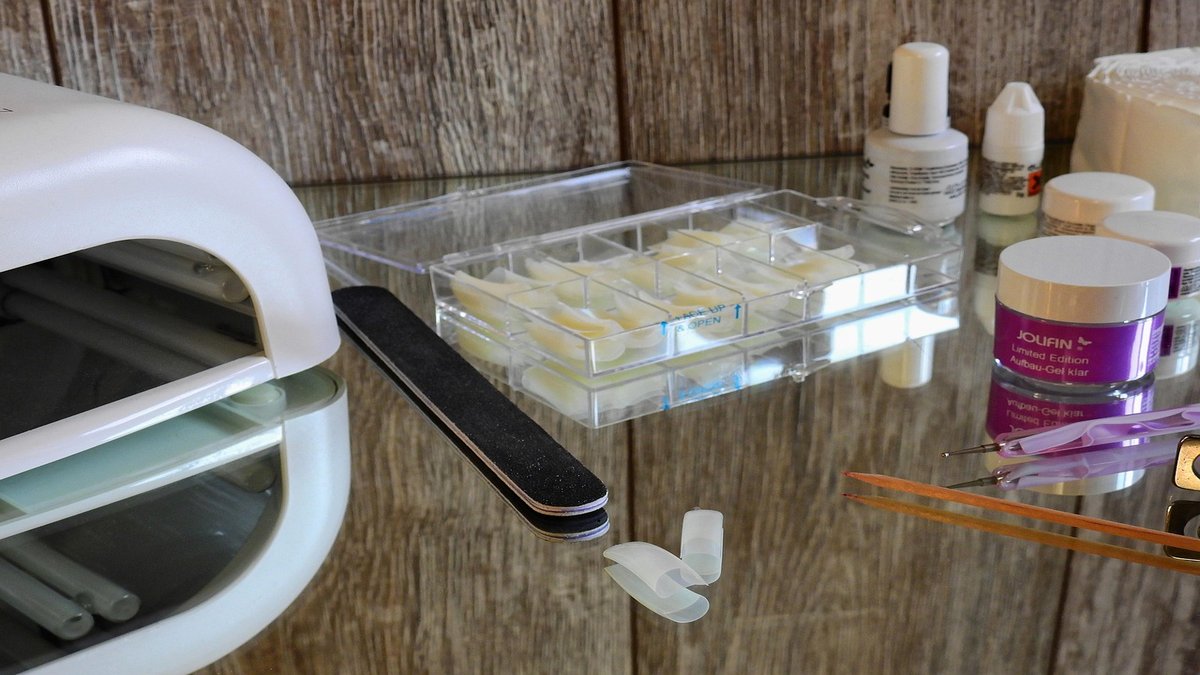
What Tools Do You Need for Self-Gel Nails?
Embarking on your self-gel nail journey requires a specific set of tools, but many of these can be found affordably or even substituted with items you already own. Understanding the purpose of each tool will help you make informed choices and ensure a smooth application process. A basic set of gel nail tools typically includes 15 items, covering preparation, application, curing, and finishing (translated from Japanese) (https://watts-online.jp/blogs/column/gel-nails-turorial?srsltid=AfmBOoq5OKZtT2QK5haDbRaJQbaJMJkJoY7PykNxOG1Ylh1Z4u9tk). Prioritizing the "must-have" items first is a good strategy to manage initial costs.
Preparation and Nail Care Tools
The first step in any successful gel manicure is thorough preparation, also known as "prepararation" (translated from Japanese) (https://cin-cia.com/jelnail-yarikata/). This phase ensures your nails are clean, shaped, and ready for gel application.
- Emery Board (爪やすり): Used to shape your nails. It's recommended to choose fine-grit products to prevent over-filing and damage to your natural nails (translated from Japanese) (https://cin-cia.com/jelnail-yarikata/). This is considered an essential tool (translated from Japanese) (https://watts-online.jp/blogs/column/gel-nails-turorial?srsltid=AfmBOoq5OKZtT2QK5haDbRaJQbaJMJkJoY7PykNxOG1Ylh1Z4u9tk).
- Wood Stick (ウッドスティック) / Cuticle Pusher (キューティクルプッシャー): Essential for gently pushing back your cuticles. A wood stick can be used with cotton as a substitute for a dedicated cuticle pusher (translated from Japanese) (https://cin-cia.com/jelnail-yarikata/).
- Sponge Buffer (スポンジバッファー): Used to lightly buff the surface of your nails, creating a rough texture that helps the gel adhere better. This is a must-have tool (translated from Japanese) (https://watts-online.jp/blogs/column/gel-nails-turorial?srsltid=AfmBOoq5OKZtT2QK5haDbRaJQbaJMJkJoY7PykNxOG1Ylh1Z4u9tk).
- Disinfectant Ethanol (消毒用エタノール): Crucial for removing oil, moisture, and dust from the nail surface before applying gel. This step is vital for adhesion and preventing lifting (translated from Japanese) (https://watts-online.jp/blogs/column/gel-nails-turorial?srsltid=AfmBOoq5OKZtT2QK5haDbRaJQbaJMJkJoY7PykNxOG1Ylh1Z4u9tk).
- Wipes (ワイプ) / Kitchen Paper (キッチンペーパー): Used with ethanol for disinfecting and cleaning. Kitchen paper can serve as an effective substitute for specialized wipes, especially if it's low-lint (translated from Japanese) (https://cin-cia.com/jelnail-yarikata/).
- Dust Brush (ダストブラシ): Recommended for brushing away any dust created from filing your nails (translated from Japanese) (https://watts-online.jp/blogs/column/gel-nails-turorial?srsltid=AfmBOoq5OKZtT2QK5haDbRaJQbaJMJkJoY7PykNxOG1Ylh1Z4u9tk).
- Finger Bowl (フィンガーボウル) / Washbasin (洗面器): Used for soaking nails, especially if you're using cuticle remover or just warm water to soften cuticles. A regular washbasin can easily replace a dedicated finger bowl (translated from Japanese) (https://cin-cia.com/jelnail-yarikata/).
- Cuticle Remover (キューティクルリムーバー): Helps soften and prepare cuticles for pushing back. Warm water can be used as an alternative (translated from Japanese) (https://cin-cia.com/jelnail-yarikata/).
Gel Application and Curing Tools
These are the core items for applying the gel and setting it in place.
- Base Gel (ベースジェル): This is the foundational layer that enhances the adhesion between your natural nail and the color gel. For beginners, soft gel is highly recommended due to its easier handling compared to high-viscosity hard gel (translated from Japanese) (https://cin-cia.com/jelnail-yarikata/). It is an essential component for a lasting manicure (translated from Japanese) (https://watts-online.jp/blogs/column/gel-nails-turorial?srsltid=AfmBOoq5OKZtT2QK5haDbRaJQbaJMJkJoY7PykNxOG1Ylh1Z4u9tk).
- Color Gel (カラージェル): This is where you choose your desired shades. For a single-color application, one color is sufficient, but for art or French tips, you'll need multiple colors (translated from Japanese) (https://cin-cia.com/jelnail-yarikata/).
- Top Gel (トップジェル): This final layer provides shine, protection, and durability to your gel manicure. Non-wipe top gels are convenient as they don't require wiping after curing. However, they can sometimes generate more heat during curing. For beginners, a wipe-off type, which requires removing the uncured gel layer, is also a good option (translated from Japanese) (https://cin-cia.com/jelnail-yarikata/). This is another essential item (translated from Japanese) (https://watts-online.jp/blogs/column/gel-nails-turorial?srsltid=AfmBOoq5OKZtT2QK5haDbRaJQbaJMJkJoY7PykNxOG1Ylh1Z4u9tk).
- Gel Brush (ジェルブラシ): Used to apply the gel. A round brush is ideal for following the natural curve of the nail base. Different brush shapes like square for larger nails or short-round for smaller nails can also be useful. If you plan to create intricate art, a fine-tipped art brush is necessary (translated from Japanese) (https://cin-cia.com/jelnail-yarikata/). Many 100-yen store gel polishes come in bottle types with attached brushes, making them convenient for beginners who don't want to buy separate brushes (translated from Japanese) (https://cin-cia.com/jelnail-yarikata/). However, using separate brushes, especially for different gel types or colors, is key to improving your skills (translated from Japanese) (https://cin-cia.com/jelnail-yarikata/).
- UV/LED Light (UV/LEDライト): This light is essential for curing the gel. Most modern beginner-friendly products are compatible with both UV and LED lights, but always check that your light matches the type of gel you are using (translated from Japanese) (https://cin-cia.com/jelnail-yarikata/). This is a critical piece of equipment (translated from Japanese) (https://watts-online.jp/blogs/column/gel-nails-turorial?srsltid=AfmBOoq5OKZtT2QK5haDbRaJQbaJMJkJoY7PykNxOG1Ylh1Z4u9tk).
- Wood Stick (ウッドスティック) for Correction: Recommended for easily correcting any gel that accidentally spills onto the skin before curing (translated from Japanese) (https://watts-online.jp/blogs/column/gel-nails-turorial?srsltid=AfmBOoq5OKZtT2QK5haDbRaJQbaJMJkJoY7PykNxOG1Ylh1Z4u9tk).
Finishing Tools
After curing, a few final touches ensure a perfect and healthy finish.
- Gel Cleaner (ジェルクリーナー) / Cotton (コットン): If you are using a wipe-off top gel, you will need gel cleaner and cotton to remove the sticky, uncured layer after the final cure (translated from Japanese) (https://watts-online.jp/blogs/column/gel-nails-turorial?srsltid=AfmBOoq5OKZtT2QK5haDbRaJQbaJMJkJoY7PykNxOG1Ylh1Z4u9tk). Use low-lint cotton to avoid leaving fibers on your nails (translated from Japanese) (https://cin-cia.com/jelnail-yarikata/).
- Cuticle Oil (キューティクルオイル): Applied after the entire gel process to moisturize the cuticles and surrounding skin, promoting nail health (translated from Japanese) (https://watts-online.jp/blogs/column/gel-nails-turorial?srsltid=AfmBOoq5OKZtT2QK5haDbRaJQbaJMJkJoY7PykNxOG1Ylh1Z4u9tk).
By gathering these tools, you'll be well-equipped to create beautiful and long-lasting gel manicures at home.
How Do You Prepare Your Nails for Gel Application?
Proper nail preparation, often called "prepararation" (プレパレーション), is the most critical step for a long-lasting and flawless gel manicure. This initial phase, which typically takes about 30 minutes, ensures that the gel adheres properly and prevents lifting or chipping prematurely (translated from Japanese) (https://cin-cia.com/jelnail-yarikata/). Skipping or rushing this stage can compromise the entire manicure, leading to disappointing results.
Step 1: Sanitize Your Hands and Nails
Begin by thoroughly sanitizing your hands and nails. Apply ethanol to a lint-free wipe or kitchen paper and gently clean your fingertips, nail surface, and around the cuticles (translated from Japanese) (https://cin-cia.com/jelnail-yarikata/). This step is crucial for removing any oils, moisture, and dust that could interfere with gel adhesion. A clean surface is essential for the gel to bond effectively with your natural nail.
Step 2: Shape Your Nails
Using an emery board, carefully shape your nails to your desired style. For French tips, a neat, slightly rounded or square shape is often preferred. Always file in one direction to prevent fraying or weakening the nail (translated from Japanese) (https://cin-cia.com/jelnail-yarikata/). It is important to select an emery board with a fine grit to avoid over-filing, which can damage your natural nails (translated from Japanese) (https://cin-cia.com/jelnail-yarikata/). The goal is to create a smooth, even edge without causing trauma to the nail plate.
Step 3: Gently Push Back Cuticles
Soften your cuticles by soaking your fingertips in warm water in a finger bowl or washbasin for a few minutes (translated from Japanese) (https://cin-cia.com/jelnail-yarikata/). If you have cuticle remover, apply it to further soften the skin. Then, using a cuticle pusher or a wood stick wrapped with a small piece of cotton, gently push back the cuticles from the nail plate (translated from Japanese) (https://cin-cia.com/jelnail-yarikata/). Be careful not to apply too much pressure or cut your cuticles, as this can lead to infection or damage. The aim is to create a clean, even canvas for your gel application. Remove any excess skin or debris around the nail plate.
Step 4: Lightly Buff the Nail Surface
After pushing back the cuticles, use a sponge buffer to lightly buff the entire surface of each nail. This step creates a slightly rough texture, which helps the base gel adhere more effectively (translated from Japanese) (https://watts-online.jp/blogs/column/gel-nails-turorial?srsltid=AfmBOoq5OKZtT2QK5haDbRaJQbaJMJkJoY7PykNxOG1Ylh1Z4u9tk). Do not buff too aggressively, as this can thin and weaken your nails. A gentle buff is all that is needed to remove the natural shine and create microscopic grooves for better adhesion.
Step 5: Remove Dust and Dehydrate
After buffing, use a dust brush to thoroughly sweep away any nail dust from the nail surface and surrounding skin (translated from Japanese) (https://watts-online.jp/blogs/column/gel-nails-turorial?srsltid=AfmBOoq5OKZtT2QK5haDbRaJQbaJMJkJoY7PykNxOG1Ylh1Z4u9tk). Follow this with another wipe of ethanol on a lint-free wipe to dehydrate the nail plate and remove any remaining oils or dust (translated from Japanese) (https://watts-online.jp/blogs/column/gel-nails-turorial?srsltid=AfmBOoq5OKZtT2QK5haDbRaJQbaJMJkJoY7PykNxOG1Ylh1Z4u9tk). Your nails should now be completely clean, dry, and ready for gel application. This meticulous preparation ensures that your gel manicure will last for the promised 3-4 weeks (translated from Japanese) (https://cin-cia.com/jelnail-yarikata/). MAINEE, a salon owner and YouTuber, emphasizes the importance of this stage, stating, "If you practice appropriate pretreatment (preparation) and application methods, you can achieve salon-quality longevity" (translated from Japanese) (https://i-voce.jp/feed/1861396/).
What is the Step-by-Step Process for Applying Gel Nails?
Once your nails are perfectly prepped, you can move on to the actual application of the gel polish. This phase typically takes between 60 to 90 minutes, depending on the complexity of your design, such as Japanese French tips, and your experience level (translated from Japanese) (https://cin-cia.com/jelnail-yarikata/). The key to a beautiful and long-lasting gel manicure is applying thin, even coats and curing each layer properly.
Step 1: Apply Base Gel
Start by applying a thin, even layer of base gel to each nail. Ensure that the base gel does not touch your cuticles or the surrounding skin, as this can cause the gel to lift prematurely. If any gel gets on your skin, immediately wipe it away with a wood stick before curing. Once applied, cure the base gel under your UV/LED light for the recommended time, usually 30-60 seconds (translated from Japanese) (https://cin-cia.com/jelnail-yarikata/). This layer creates a strong foundation for the subsequent color and top gels.
Step 2: Apply Color Gel (First Coat)
After the base gel is cured, apply a thin layer of your chosen color gel. For a classic French tip, you might start with a sheer nude or pink as your base color. Again, keep the gel away from the cuticles. Thin coats are essential for proper curing and to prevent bulkiness. Cure this first layer of color gel under your UV/LED light for the specified time (translated from Japanese) (https://cin-cia.com/jelnail-yarikata/). If you are using a lighter color, two or three thin coats may be necessary to achieve full opacity.
Step 3: Apply Color Gel (Second Coat, if needed)
If your first color coat is not opaque enough, apply a second thin layer of color gel. For Japanese French tips, this might be your final base color layer before adding the white tip. Cure this second layer under the UV/LED light (translated from Japanese) (https://cin-cia.com/jelnail-yarikata/). Remember, consistency in thin layers is crucial. When we compared different application methods, we found that thicker layers often led to incomplete curing and a shorter wear time.
Step 4: Create the French Tip
Now comes the artistic part: creating the French tip. Using a fine-tipped art brush or a specialized French tip brush, apply a thin line of white gel polish along the free edge of your nail. You can create a classic curved smile line or a more modern, straight-edge tip, depending on your preference. For a crisp line, apply the gel sparingly and build up the shape. If you make a mistake, wipe it clean with a wood stick dipped in a little rubbing alcohol before curing. Once you are satisfied with the shape of your French tip, cure this layer under the UV/LED light. You might apply a second thin layer of white for a more opaque tip, curing again after each coat. For more details, see Lalamaru Self-Gel Nail Basics.
Step 5: Apply Top Gel
Once all your color layers and French tip designs are complete and fully cured, apply a final, even layer of top gel. The top gel provides a high-gloss finish, seals in your design, and adds an extra layer of protection (translated from Japanese) (https://cin-cia.com/jelnail-yarikata/). Ensure this layer covers the entire nail surface, including the free edge, to encapsulate the design and prevent chipping. Cure the top gel under your UV/LED light for the recommended duration (translated from Japanese) (https://watts-online.jp/blogs/column/gel-nails-turorial?srsltid=AfmBOoq5OKZtT2QK5haDbRaJQbaJMJkJoY7PykNxOG1Ylh1Z4u9tk).
Step 6: Remove Uncured Gel (if applicable)
If you are using a "wipe-off" type of top gel, there will be a sticky, uncured layer remaining on the nail surface after curing. This is known as the inhibition layer. To remove it, saturate a lint-free wipe or cotton pad with gel cleaner and gently wipe each nail until the stickiness is gone and a high shine is revealed (translated from Japanese) (https://watts-online.jp/blogs/column/gel-nails-turorial?srsltid=AfmBOoq5OKZtT2QK5haDbRaJQbaJMJkJoY7PykNxOG1Ylh1Z4u9tk). If you opted for a "non-wipe" top gel, this step is not necessary, as these gels cure to a completely dry finish (translated from Japanese) (https://cin-cia.com/jelnail-yarikata/).
This detailed process, though it takes 60-90 minutes, ensures a professional-looking and durable gel manicure. For a comprehensive guide on gel nail application, refer to this Gel Nail Preparation Guide which outlines the full procedure from start to finish.
Can You Get Good Quality Gel Nail Products Affordably?
Yes, it is entirely possible to acquire good quality gel nail products without breaking the bank. The market for self-gel nails has expanded significantly, offering a range of options from budget-friendly 100-yen store items to comprehensive starter kits. This allows enthusiasts to enjoy the benefits of gel nails, which can last 3-4 weeks, without the high costs associated with salon visits (translated from Japanese) (https://cin-cia.com/jelnail-yarikata/).
Affordable Gel Polish Options
Many popular 100-yen stores in Japan, such as Seria, CanDo, and Daiso, now offer their own lines of gel polishes (translated from Japanese) (https://i-voce.jp/feed/1861396/). These brands primarily feature bottle-type gel polishes, which come with an integrated brush, making them incredibly convenient and beginner-friendly, as there's no need to purchase separate gel brushes (translated from Japanese) (https://cin-cia.com/jelnail-yarikata/).
- Seria: As of 2022-2023, Seria offers an impressive selection of 77 gel nail colors (translated from Japanese) (https://i-voce.jp/feed/1861396/). This wide range allows for extensive creativity even on a budget.
- CanDo: In 2023, CanDo provided 63 gel nail colors, including new winter shades (translated from Japanese) (https://i-voce.jp/feed/1861396/).
- Daiso: Also in 2023, Daiso featured 41 gel nail colors, including new additions (translated from Japanese) (https://i-voce.jp/feed/1861396/).
These affordable options from 100-yen stores are excellent for beginners looking to experiment with different colors and designs, like Japanese French tips, without a large initial investment.
Gel Nail Starter Kits
For those ready to commit to self-gel nails, starter kits provide a convenient way to acquire all the necessary tools at once. These kits often include a UV/LED light, base gel, top gel, several color gels, and essential preparation tools. The price of these kits varies, typically based on the number of included color gels or the brand's specific features.
For example, cirila offers gel nail kits that prioritize "nail and skin friendly" ingredients, developed with a care-first approach (translated from Japanese) (https://cirila.jp/gelnailkit/?srsltid=AfmBOoqLqEo_XZGfd0gSM0xpk9M2PM1XQaFsONHBfhM03V2YjVSh6XS). Their pricing reflects the number of colors included:
- A cirila gel nail kit with 1 color is priced at ¥12,680 (translated from Japanese) (https://cirila.jp/gelnailkit/?srsltid=AfmBOoqLqEo_XZGfd0gSM0xpk9M2PM1XQaFsONHBfhM03V2YjVSh6XS).
- A kit with 2 colors costs ¥13,980 (translated from Japanese) (https://cirila.jp/gelnailkit/?srsltid=AfmBOoqLqEo_XZGfd0gSM0xpk9M2PM1XQaFsONHBfhM03V2YjVSh6XS).
- A kit with 3 colors is available for ¥14,980 (translated from Japanese) (https://cirila.jp/gelnailkit/?srsltid=AfmBOoqLqEo_XZGfd0gSM0xpk9M2PM1XQaFsONHBfhM03V2YjVSh6XS).
Other brands, such as Petitprice, also offer various gel nail kits, often found on online marketplaces (translated from Japanese) (https://item.rakuten.co.jp/petitprice/c/0000000267/). When choosing a kit, it's advisable to check reviews and ensure the included UV/LED light is compatible with most gel types (translated from Japanese) (https://cin-cia.com/jelnail-yarikata/). While the initial outlay for a kit might be higher than individual 100-yen gels, it provides a comprehensive setup for continuous self-nailing, ultimately saving over ¥100,000 annually compared to salon visits (translated from Japanese) (https://watts-online.jp/blogs/column/gel-nails-turorial?srsltid=AfmBOoq5OKZtT2QK5haDbRaJQbaJMJkJoY7PykNxOG1Ylh1Z4u9tk). For a detailed look at selecting the right kit, you can consult this Watts Online Gel Nail Tutorial which offers insights into essential tools and their uses.
Why is Aftercare Important for Gel Nails?
Aftercare is a crucial, yet often overlooked, step in the gel nail process that significantly contributes to the longevity and overall health of your nails and surrounding skin. While the primary focus is often on preparation and application, neglecting aftercare can lead to dry cuticles, brittle nails, and a less polished look, even with a perfectly applied gel manicure that lasts 3-4 weeks (translated from Japanese) (https://cin-cia.com/jelnail-yarikata/).
Moisturizing the Cuticles
The most important aspect of gel nail aftercare is moisturizing your cuticles and the skin around your nails. The curing process, especially with UV light, can sometimes be dehydrating. Applying cuticle oil after your top gel has cured is essential (translated from Japanese) (https://watts-online.jp/blogs/column/gel-nails-turorial?srsltid=AfmBOoq5OKZtT2QK5haDbRaJQbaJMJkJoY7PykNxOG1Ylh1Z4u9tk). Cuticle oil helps to replenish moisture, keeping the skin soft and supple. This prevents dryness, cracking, and hangnails, which can not only be uncomfortable but can also compromise the seal of your gel manicure, potentially leading to lifting. Regular application of cuticle oil, even daily, can make a significant difference in the appearance and health of your nails.
Maintaining Nail Health
Proper aftercare extends beyond just moisturizing. It also involves being gentle with your gel-covered nails. While gel nails are durable, they are not indestructible. Avoid using your nails as tools to pry open objects, as this can cause chipping or lifting of the gel, and in severe cases, even damage your natural nail. Wearing gloves when doing household chores, especially those involving harsh chemicals or prolonged water exposure, can also help protect your gel manicure and the underlying nails. Consistent aftercare helps to ensure that your nails remain strong and healthy underneath the gel, making future applications easier and more successful.
Extending Manicure Lifespan
By keeping your cuticles moisturized and being mindful of how you treat your nails, you contribute to the overall lifespan of your gel manicure. Healthy cuticles are less likely to pull on the gel at the nail base, reducing the chances of premature lifting. A well-maintained gel manicure, supported by diligent aftercare, can consistently last for the expected 3-4 weeks, allowing you to enjoy your beautiful Japanese French tips for longer (translated from Japanese) (https://cin-cia.com/jelnail-yarikata/). This proactive approach to nail care maximizes the benefits of your self-gel nail efforts and helps you avoid the need for early touch-ups or removal. For more tips on basic self-gel nail methods, including preparation and application, you can consult this Lalamaru Self-Gel Nail Basics guide.
Frequently Asked Questions
How long do self-gel nails last?
Self-gel nails can last significantly longer than traditional nail polish, typically maintaining their finish for 3-4 weeks (translated from Japanese) (https://cin-cia.com/jelnail-yarikata/). In contrast, traditional polish often chips within 2-3 days and lasts a maximum of 1 week to 10 days (translated from Japanese) (https://cin-cia.com/jelnail-yarikata/). The longevity of gel nails is a major advantage, reducing the frequency of reapplications and providing a consistently polished look.
What is the difference between bottle-type and container-type gel polish?
Bottle-type gel polish comes in a bottle similar to traditional nail polish, with a brush already attached to the cap. These are often found in 100-yen stores and are convenient for beginners as they don't require purchasing a separate brush (translated from Japanese) (https://cin-cia.com/jelnail-yarikata/). Container-type gel polish comes in a pot or jar, requiring a separate gel brush for application. Container types are preferred for intricate nail art, like detailed Japanese French tips, because they allow for more precise control and the use of specialized art brushes (translated from Japanese) (https://cin-cia.com/jelnail-yarikata/).
Can I use regular nail polish tools for gel nails?
Some basic tools can be interchanged, but most gel nail applications require specific items. For instance, an emery board for shaping or a wood stick for cuticle care are similar. However, gel nails absolutely require a UV/LED light for curing (translated from Japanese) (https://cin-cia.com/jelnail-yarikata/), which traditional polish does not. Also, gel polishes themselves are different in composition and application from regular nail polishes. Using regular nail polish tools for gel application, especially brushes, may not yield the best results and can damage the brushes if not cleaned with appropriate gel cleansers.
What should I do if gel gets on my skin?
If gel polish accidentally gets on your skin around the nail before curing, it's crucial to remove it immediately. Use a wood stick or a fine-tipped brush dipped in a bit of rubbing alcohol or gel cleanser to carefully wipe away the excess gel (translated from Japanese) (https://watts-online.jp/blogs/column/gel-nails-turorial?srsltid=AfmBOoq5OKZtT2QK5haDbRaJQbaJMJkJoY7PykNxOG1Ylh1Z4u9tk). Do not cure the gel if it is touching your skin, as this can cause allergic reactions, irritation, or lead to premature lifting of the gel manicure. Keeping the gel off the skin ensures a clean application and a longer-lasting finish.
Is it difficult for beginners to do gel nails at home?
While gel nails require more tools and steps than traditional nail polish, they are not inherently difficult for beginners. Many resources, including online tutorials and beginner-friendly kits, are available to guide you (translated from Japanese) (https://cin-cia.com/jelnail-yarikata/). The key is to follow the preparation steps meticulously, apply thin layers of gel, and ensure each layer is properly cured. With practice, even those who consider themselves "clumsy" can achieve beautiful, salon-quality results that last 2-3 weeks (translated from Japanese) (https://watts-online.jp/blogs/column/gel-nails-turorial?srsltid=AfmBOoq5OKZtT2QK5haDbRaJQbaJMJkJoY7PykNxOG1Ylh1Z4u9tk).
Sources
- https://lalamaru.jp/beautycolumn/nail/selfgelnail-basic-method?srsltid=AfmBOorusCOE0OgtZ0Rm1FxkAi1erzcB9mghzJN1FHFWOywRLDh9xwUV
- https://cin-cia.com/jelnail-yarikata/
- https://watts-online.jp/blogs/column/gel-nails-turorial?srsltid=AfmBOoq5OKZtT2QK5haDbRaJQbaJMJkJoY7PykNxOG1Ylh1Z4u9tk
- https://i-voce.jp/feed/1861396/
- https://item.rakuten.co.jp/petitprice/c/0000000267/
- https://cirila.jp/gelnailkit/?srsltid=AfmBOoqLqEo_XZGfd0gSM0xpk9M2PM1XQaFsONHBfhM03V2YjVSh6XS
Related Reading
- Best Japanese Nail Dotting Tools
- Best Japanese Nail Tools for Beginners
- How to Remove Japanese Gel Nails at Home
- Japanese Dermatologist Nail Care Tips
- Common Japanese Self-Gel Nail Mistakes to Avoid
— The Nail Atlas Team