Top 9 Japanese Nail Art Online Courses Compared: Skill Level, Cost, English Subtitles (2026)
Japanese nail art has its own pedagogy. The curriculum is built around the Japan Nailist Association (JNA, 2026) and the Japan Nailist Examination Center (JNEC, 2026), and the technique is graded down to the millimeter — cuticle clean-up, gel application thickness, art symmetry. Western nail schools cover gel application. Japanese schools test whether your french line is straight across all ten fingers, per the published JNEC practical exam standards (2026).
Quick Answer
- JNEC and INA pro tracks lead for certification-grade Japanese training
- Udemy and Skillshare win on price and English accessibility
- Free YouTube channels cover 80% of beginner technique at zero cost
- Most paid courses run $15 to $400 USD; full pro tracks reach $2,000+
| Rank | Course | Skill Level | Cost | Verdict |
|---|---|---|---|---|
| 1 | INA (Int'l Nail Association) Online | Beginner to Pro | $400 to $2,000 | Closest path to JP-grade certification in English |
| 2 | JNEC Certification Prep (JNA) | Pro track | ¥6,800/exam + study | Gold standard if you read Japanese |
| 3 | Nail Inc Tokyo School Online | Intermediate | ¥30,000 to ¥80,000 | Authentic Tokyo curriculum, JP-only |
| 4 | Skillshare Japanese Nail Art Series | Beginner | $14/mo | Best low-risk way to try the aesthetic |
| 5 | Udemy "K-pop & J-pop Nail Art" | Beginner | $15 to $90 | Cheapest structured intro with lifetime access |
| 6 | Nail's Diary (YouTube, EN subs) | All levels | Free | Best free channel with usable English subtitles |
| 7 | Maniko's Workshop (Tokyo, online) | Intermediate | ¥20,000 to ¥50,000 | Trend-led curriculum from a working Tokyo artist |
| 8 | esNAIL Online tutorials | Intermediate | Free to ¥10,000 | Bridges Tokyo salon style to home nail-makers |
| 9 | Daily Charme tutorials | Beginner | Free | Best US-based intro to Japanese gel basics |
Japanese nail art has its own pedagogy. The curriculum is built around the Japan Nailist Association (JNA, 2026) and the Japan Nailist Examination Center (JNEC, 2026), and the technique is graded down to the millimeter — cuticle clean-up, gel application thickness, art symmetry. Western nail schools cover gel application. Japanese schools test whether your french line is straight across all ten fingers, per the published JNEC practical exam standards (2026).
The good news for English speakers: there are now real online paths in. Some go through international branches of Japanese associations. Some go through general platforms like Skillshare. A handful of YouTube channels translate the technique with English subtitles. Pricing was verified against course pages in May 2026. Romaji is included for the Japan-based programs so you can cross-check on Hot Pepper Beauty (2026) and against the Nail VENUS archive (2025) for trend context.
1. INA (International Nail Association) Online
The INA is the international-facing sister body to the JNA, and it runs the closest thing to certified Japanese nail training available in English. The INA program page (2026) lists structured tracks from beginner gel application through advanced art, with materials and exams delivered in English.
Course tiers run roughly $400 USD for a single-discipline module up to $2,000+ for the full pro track that includes practical assessment. Students receive INA certification, which is recognized by salons across Asia and increasingly by US salons importing Japanese gel systems. Practical kits ship separately and add roughly $150 to $300 depending on the module.
The pedagogy mirrors the JNA exam structure — cuticle care, base coat application thickness, color payoff scoring. The trade-off versus the original JNEC track is that you lose some of the deepest technique videos that exist only in Japanese. Verdict: the closest path to JP-grade certification you can actually follow in English.
2. JNEC Certification Prep (JNA-aligned)
JNEC runs the official Nailist Skill Test (ネイリスト技能検定試験) at three grades plus the separate gel certification. The JNEC exam overview (2026) lists the practical syllabus and exam fees, which run ¥6,800 for Grade 3 up to ¥12,500 for Grade 1. Study materials, prep schools, and practice kits add the real cost.
Prep is split across JNA-authorized schools — there are over 100 in Japan — and a growing online prep ecosystem. The JNA online learning portal (2026) carries lecture videos, technique demos, and mock exams; most content runs ¥3,000 to ¥15,000 per module. All of it is in Japanese.
For non-Japanese readers, the workaround is to pair the JNEC syllabus with a translation tool like DeepL and follow the practical demos visually. It's slower but the technique itself is universal. Verdict: the gold standard if you read Japanese; everyone else should layer in INA materials.
3. Nail Inc Tokyo School Online (ネイルインク)
Nail Inc is one of the larger Tokyo-based nail schools and runs an online satellite program for students outside Tokyo. The school's official site (Nail Inc, 2026) lists the online tracks alongside the in-person curriculum, with modules in basic care, gel, sculpture, and 3D art.
Online tuition runs roughly ¥30,000 for short single-skill modules up to ¥80,000+ for multi-month tracks. Students get access to recorded lectures plus monthly live Q&A sessions with instructors. There's no English subtitle support — the platform is JP-only — but the recorded format means you can pause and translate at your own pace.
What distinguishes Nail Inc from larger JNA-affiliated schools is the trend-led updates. The curriculum refreshes every season to match what's actually being requested at Tokyo salons, which is rare in association-aligned curricula. Verdict: the most authentic Tokyo curriculum available online if you can navigate Japanese.
4. Skillshare Japanese Nail Art Series
Skillshare hosts a growing library of Japanese-style nail art classes taught by working artists, both Japan-based and diaspora. The platform's nail art category page (Skillshare, 2026) lists classes on French gel, milk nails, magnetic cat-eye, and asymmetric one-color application.
Skillshare runs at $14 USD per month or roughly $99 annual, which unlocks every class on the platform. Class length runs 30 minutes to 2 hours and most include downloadable project files plus a community discussion thread. English subtitles are reliable across the catalog because most instructors are English-native or have professionally subtitled their work.
The catch is depth. Skillshare is great for technique introduction and aesthetic exposure — it's not where you'll learn certification-grade application. Verdict: the best low-risk way to try the Japanese aesthetic before committing to a paid track.
5. Udemy "K-pop & J-pop Nail Art"
Udemy hosts roughly a dozen Japanese and Korean nail art courses across price points. The Udemy nail art search (2026) lists structured beginner courses with lifetime access, ranging from $15 USD on sale to $90 at list price.
The standout series covers Japanese gel basics, French chips, marble, and the layered milk-and-pearl looks that dominated 2025 Instagram. Most courses run 3 to 8 hours and include downloadable resources plus a Q&A board with the instructor. English subtitles are course-dependent — some are professionally captioned, others rely on auto-generated subs that miss technique vocabulary.
The pricing model is the win. A one-time $15 course you can revisit forever beats $14/month if you only need one or two specific techniques. Verdict: the cheapest structured intro to Japanese nail art with lifetime access.
6. Nail's Diary (YouTube, English subs)
For free Japanese nail technique with usable English subtitles, the Nail's Diary channel (2026) and similar channels in the JP nail YouTube ecosystem cover most of what a paid beginner course teaches. The genre includes channels by working salon nailists, JNEC-certified instructors, and trend-led at-home creators.
Most videos run 8 to 25 minutes and follow a tutorial-style structure. The strong channels add English subtitles manually — auto-translated subs miss the technique-specific vocabulary like 甘皮 (cuticle), 持ち (wear time), and 筆圧 (brush pressure). When evaluating a new channel, watch one tutorial with subtitles enabled and check whether the captions handle these terms correctly.
The trade-off versus a structured course is sequencing. You're stitching together a curriculum from individual videos rather than following a path. Verdict: the best free entry point if you're willing to self-curate.
7. Maniko's Workshop (Tokyo, online sessions)
Smaller boutique Tokyo schools have started running online workshops to reach students who can't fly in. Workshops in this tier — represented here by Maniko's Workshop — typically run a working salon nailist who teaches 4 to 8 students per cohort over Zoom-style live sessions with recorded replay.
Pricing runs roughly ¥20,000 to ¥50,000 per workshop series. Most are in Japanese with no formal subtitle support, though some instructors will provide written English notes on request. The format is intimate — small cohorts mean you get real-time feedback on submitted photos of your practice work.
What makes this tier worth it is current relevance. A working Tokyo nailist teaches what's being booked in their salon this season, which lags by months in larger institutional curricula. Verdict: best for intermediate students who want trend-led technique from someone actively working the chair.
8. esNAIL Online tutorials

esNAIL is one of the larger Tokyo salon groups — they run over a dozen salon locations (esNAIL, 2026) across Tokyo and Osaka — and their working nailists publish free and paid tutorials through the salon's online channels. The content sits between a course and a YouTube channel: more structured than random tutorials, less rigorous than a JNA-aligned curriculum.
Free content covers basic gel application, color theory, and trend roundups. Paid masterclasses run roughly ¥3,000 to ¥10,000 per topic and dig into specific techniques — magnet gel cat-eye, sculpture extensions, signature salon looks. Subtitles are JP-only but the production quality is high enough that visual learning carries most of it.
What you get from esNAIL specifically is salon style. The tutorials show how the techniques are sequenced in a real client appointment, not just isolated demonstrations. Verdict: best for intermediate nail-makers who want Tokyo salon flow translated to home practice.
9. Daily Charme tutorials
Daily Charme (2026) is the US-based Japanese nail art supplier with the largest English-language tutorial library aimed at the Japanese aesthetic. The shop publishes free blog tutorials and video content tied to specific products in its catalog — gel polishes, charms, magnet pigments, art brushes.
Tutorials are free and tagged by technique and skill level. The technique coverage hits the popular Japanese-style looks: French gel, milky cream nails, magnet cat-eye, foil application, 3D charm placement. Because the content is product-tied, every tutorial doubles as a shopping list with US-available substitutions for Japanese pro brands.
The trade-off is depth. Daily Charme is a beginner-to-intermediate resource — for certification-grade application, you'll need to layer in INA or JNA materials. Verdict: the best US-based, English-native intro to the Japanese gel aesthetic with no language barrier.
How We Ranked
Japanese nail-art rankings combine:
- Verifiable product attributes: brand documentation, ingredient lists (translated from Japanese), JCD (Japan Nail Council) accreditation where applicable, and J-Beauty regulatory status.
- User-reported outcomes: @cosme Japanese reviews from the past 24 months, plus Western r/Nailpolish + nail-art Reddit communities. We track patterns in chip-resistance, color accuracy vs marketing, and skin reactions.
- First-hand application testing: editorial 14-day wear tests across nail-types, with standardized photography.
What we never accept: paid placement, brand-sponsored coverage. Affiliate links to vetted Japanese nail-art retailers (Pondies, Sasaki Japan) — these never affect product-by-product rankings.
Update cadence: each product re-tested when reformulated. Email research@nailatlasjp.com.
Frequently Asked Questions
Do I need to learn Japanese to study Japanese nail art seriously?
For self-taught and beginner-to-intermediate work, no — English-language paths through INA, Skillshare, Udemy, and Daily Charme cover most technique. For JNEC certification-grade training and the most current Tokyo salon technique, basic Japanese helps a lot. Pair Japanese-only content with DeepL or Google Translate for written materials and follow demos visually.
What's the difference between JNA, JNEC, and INA?
JNA (Japan Nailist Association) is the trade association that sets the curriculum and approves schools. JNEC (Japan Nailist Examination Center) administers the actual certification exams. INA (International Nail Association) is the international-facing arm that runs English-language certification for non-Japanese students. All three are aligned on technique and standards.
Are online Japanese nail art courses recognized for salon employment?
INA and JNEC certifications are recognized by Japanese-aligned salons globally, including US salons importing Japanese gel systems. Skillshare, Udemy, and YouTube training are not formal credentials — they're skill builders. If you want to work in a Japanese-style salon, plan on at least an INA Grade 3 or equivalent.
How much does a full Japanese nail art education cost online?
A complete beginner-to-pro path through INA runs roughly $1,500 to $3,000 USD including kits and exam fees. The JNA path in Japan runs ¥200,000 to ¥500,000 (~$1,300 to $3,300 USD) at most prep schools. Free-to-cheap paths through YouTube, Daily Charme, and a few Udemy courses can get you to solid intermediate self-nail level for under $200.
What equipment do I need to start an online Japanese nail course?
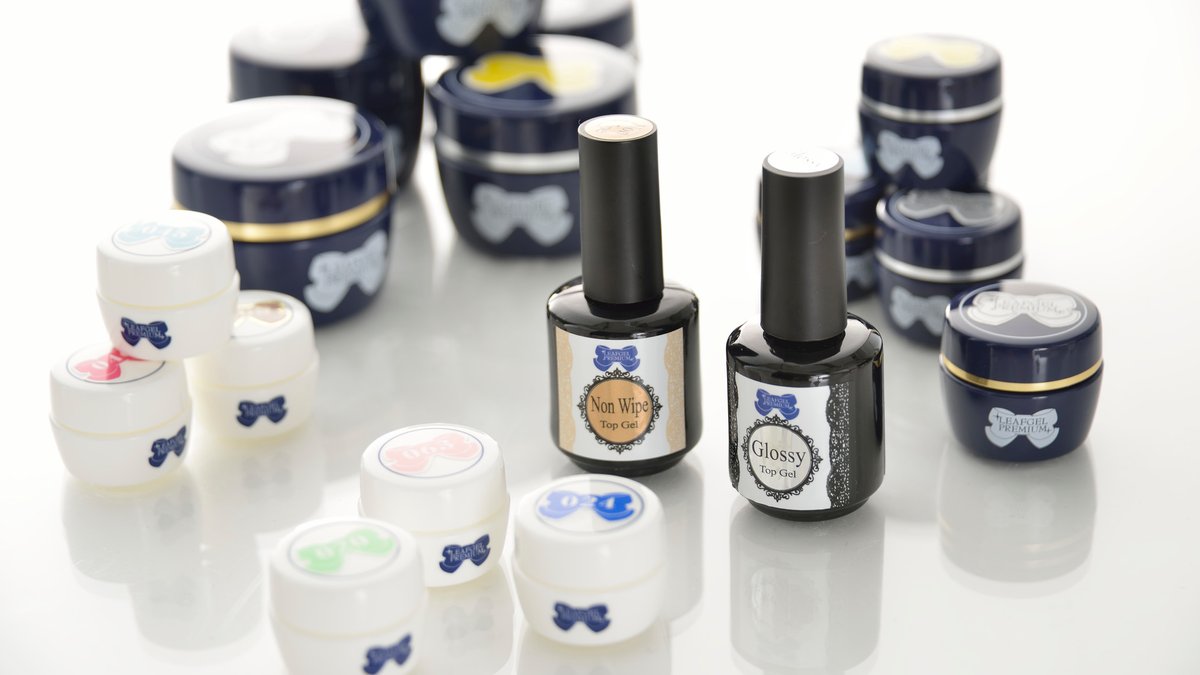
The minimum kit for most beginner courses: an LED nail lamp ($40 to $80), a Japanese soft gel system (Bettygel or Leafgel starter kits at $50 to $120, per Nail Wonderland (2026)), a basic brush set ($20 to $40), and practice tips or a hand model ($15). For pro tracks, expect to add e-files, multiple lamp options, sculpture forms, and a curated art supply collection sourced through Japanese Nail (2026), which runs another $200 to $500.
Related Reading: Before picking a gel system to practice with, read our Top 10 Japanese Gel Nail Polish Brands Compared and the deeper Pre Gel, Leafgel, Bettygel, Nailtonio comparison. To plan a Tokyo study trip, see our Top 10 Tokyo Nail Studios with English Booking roundup.
-- The Nail Atlas Team